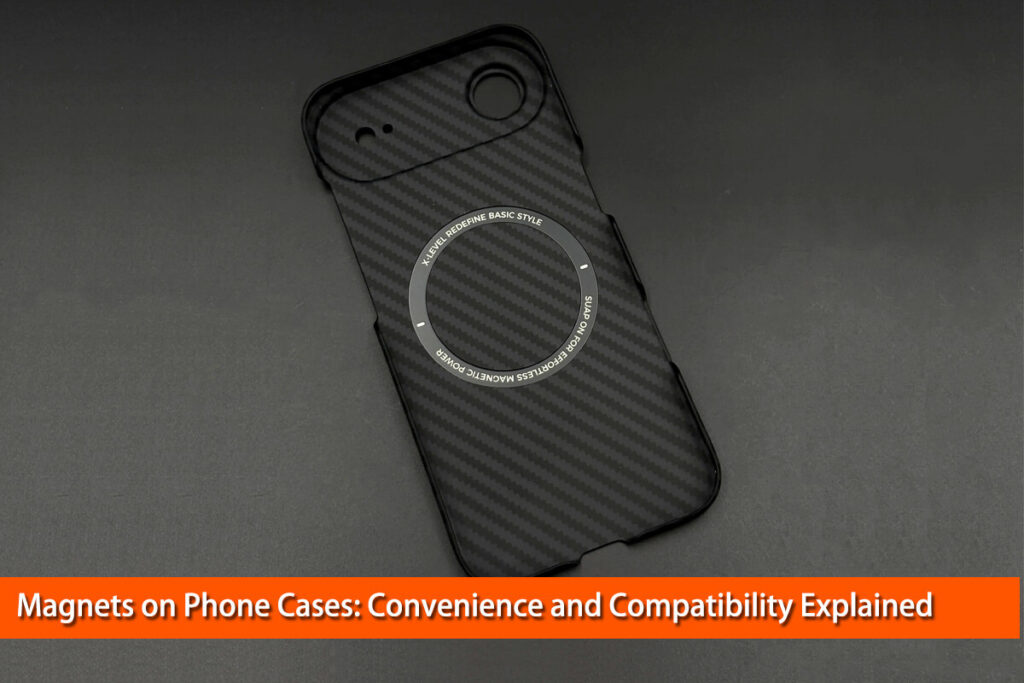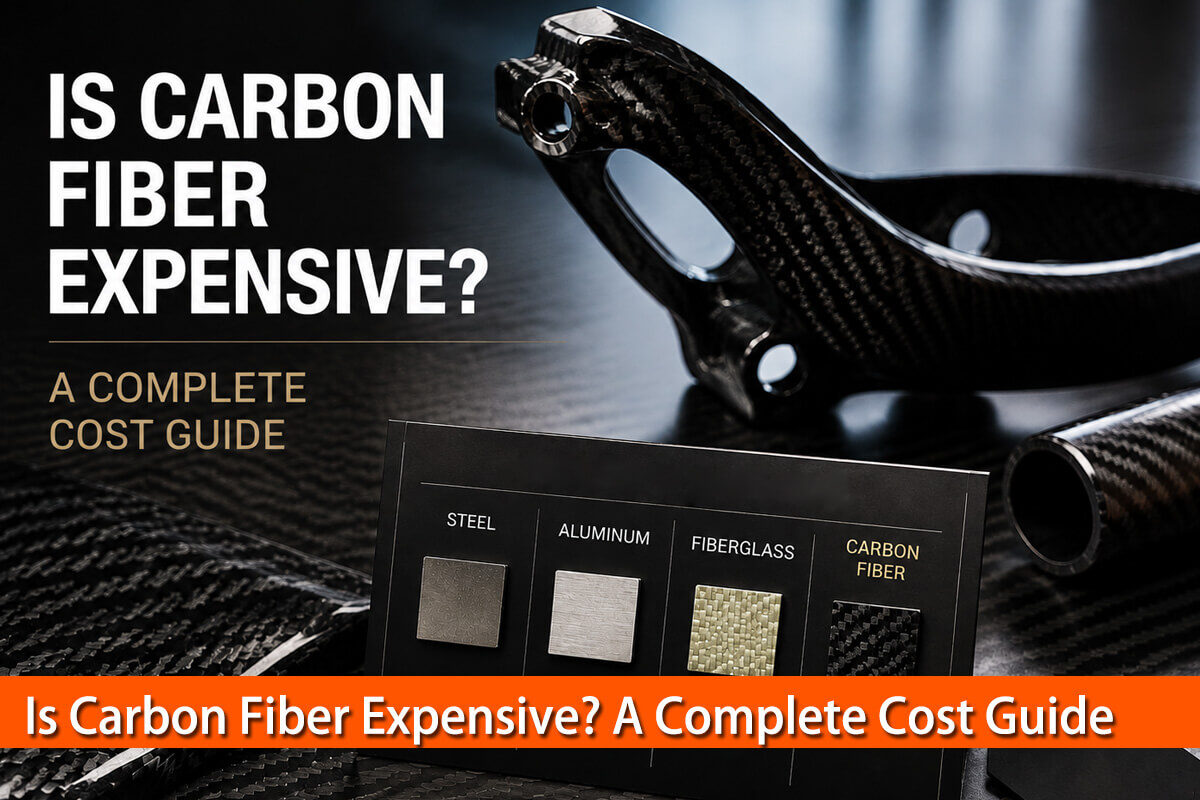
Carbon fiber is known for being strong, lightweight, and used in high-end bikes, cars, phone cases, money clips, wallets, and aerospace parts. Many people wonder, “Is carbon fiber expensive?” The truth is, it depends on the type, manufacturing method, and the final product.
Carbon fiber cost comes from its complex production. Making the material requires energy-intensive processes, precision, and specialized machinery, which is why carbon fiber is very expensive compared to metals like aluminum or steel.
Raw materials like carbon fiber sheets or prepreg can cost tens to hundreds of dollars per pound. Finished products, like racing bikes or car panels, add labor and manufacturing costs, sometimes reaching thousands of dollars.
Despite the high price, carbon fiber offers excellent strength-to-weight benefits, making it a smart investment for performance equipment. In this guide, we’ll explore carbon fiber price, factors affecting cost, and real-world examples to help you understand if it’s worth it.
What is Carbon Fiber?

Carbon fiber is a strong and very light material made mostly of carbon atoms bonded together in a tiny, crystal-like structure. Think of it as a kind of super-strong thread that can be woven into sheets, tubes, or other shapes. This unique structure gives carbon fiber some amazing properties, which is why it is used in so many industries.
One of the main carbon fiber properties is its high strength compared to weight. It is much stronger than steel but weighs a lot less. It is also very stiff, resistant to stretching, and doesn’t wear out easily. These qualities make it ideal whenever you need something that is both strong and light.
Carbon fiber material is used in many everyday and high-tech applications. In the automotive world, it is used for sports cars and racing parts to make them lighter and faster. In aerospace, planes and spacecraft often use carbon fiber to reduce weight while keeping safety high. Sports equipment like bicycles, tennis rackets, and skis often have carbon fiber parts, too. Even in construction and architecture, carbon fiber is used to strengthen buildings and bridges without adding extra weight. Furthermore, carbon fiber is now also utilized in many everyday items, such as carbon fiber phone cases, card holders, and wallets.
Because of its strength, lightness, and durability, carbon fiber applications are growing fast, and it’s becoming an important material for both industry and hobby projects.
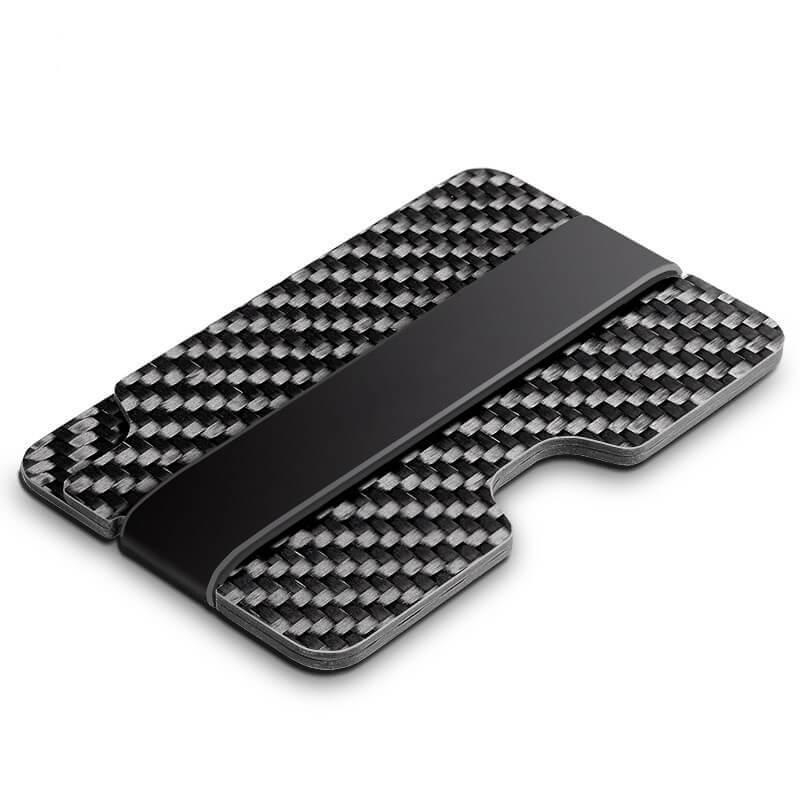
With RFID blocking technology to protect your card safety.
OFF

Why Carbon Fiber is Considered Expensive?
Many people wonder, “Why is carbon fiber so expensive?” The main reason is how it’s made and the materials used. Carbon fiber cost is higher than most materials because making it takes special machines, skilled workers, and a lot of time.
The process starts with thin threads that are heated and treated to become strong fibers. These fibers are then woven into sheets or shaped into tubes and coated with resin to make them stiff. Special ovens called autoclaves and careful handling make sure the material stays strong.
High-quality carbon fibers and prepreg sheets are also expensive, which adds to the price. On top of that, workers need training to make parts correctly, because mistakes can waste costly material.
This is why carbon fiber is very expensive, but its strength, lightness, and durability make it worth the cost for bikes, cars, planes, and sports gear.
Carbon Fiber Cost Breakdown
Understanding carbon fiber cost is easier when you look at raw materials and finished products. Raw carbon fiber comes as sheets, tubes, or prepreg materials. These can cost anywhere from tens to hundreds of dollars per pound, depending on quality and type.
Finished products, like bike frames, car panels, or drone parts, are more expensive because they include labor and manufacturing. A high-end carbon fiber bike can cost several thousand dollars, while car panels for sports cars or racing vehicles are even pricier.
DIY projects can save money if you buy small sheets or offcuts, but the cost of resin, molds, and tools adds up.
Overall, the price depends on the material, how it’s made, and the final use. Even though carbon fiber is very expensive, many people find the weight savings, strength, and durability worth the investment.
Factors That Affect Carbon Fiber Pricing
The cost of carbon fiber can change a lot depending on a few key factors.
First is the type of fiber. Standard carbon fiber is cheaper, while high-modulus or ultra-high-strength fibers cost more.
Second, how much you buy matters. Buying in large amounts usually lowers the price per pound, while small batches or custom parts are more expensive.
Third, the manufacturing method affects cost. Some methods, like autoclave curing, give stronger and higher-quality results but are more expensive. Hand lay-up or simpler processes can save money but may be less durable.
Finally, location and shipping can add to the price. Carbon fiber is often made in specialized factories, so transporting it adds costs.
All these factors explain why carbon fiber is very expensive, and why prices can vary widely between products and projects.
Carbon Fiber vs Alternatives
Many people compare carbon fiber with materials like aluminum, steel, and fiberglass before buying a product or starting a project. The biggest difference is usually weight, strength, and price. Carbon fiber is lighter and stronger than many metals, but it also costs much more.
Carbon Fiber vs Aluminum
When comparing carbon fiber vs aluminum, carbon fiber is usually about 40% lighter while still being very strong. This makes it popular for racing cars, bikes, airplanes, and sports equipment. Aluminum is heavier, but it is cheaper, easier to shape, and better at handling impacts without cracking.
Steel and Fiberglass Alternatives
Steel is very strong and affordable, but it is much heavier than carbon fiber. Fiberglass is cheaper and easier to make, but it is not as stiff or lightweight. Because of this, fiberglass is often used for lower-cost products, while carbon fiber is used for high-performance equipment.
Even though carbon fiber is very expensive, many people choose it because of its excellent strength-to-weight ratio, durability, and modern look. The best material depends on your budget, performance needs, and how the product will be used.
Cost-Saving Strategies
Even though carbon fiber can be costly, there are ways to lower the price for small projects and hobbies. One smart option is buying carbon fiber offcuts or scrap pieces. Many suppliers sell leftover material at lower prices, which is great for practice projects or small parts.
Another way to save money is through carbon fiber DIY projects. Instead of buying expensive finished products, some people make parts at home using basic tools and epoxy resin. Starting with simple hand lay-up methods can reduce costs and help beginners learn the process.
Using hybrid materials can also help. Some builders mix carbon fiber with fiberglass or other cheaper materials. This keeps some of the strength and lightweight benefits while lowering the total cost. Recycled carbon fiber is another cheaper option becoming more popular.
Finally, choosing the right weave and resin matters. Standard carbon fiber is usually cheaper than high-performance types, and buying only the size you need helps avoid waste.
With RFID blocking technology to protect your card safety.
OFF
Common Misconceptions About Carbon Fiber Costs
There are many carbon fiber misconceptions, especially about price and quality. One common myth is that carbon fiber is always extremely expensive. While high-end carbon fiber products can cost a lot, not every carbon fiber item is made with top-quality materials. Some cheaper products only use a thin carbon fiber layer over plastic or fiberglass to create the same look.
Another misunderstanding is that carbon fiber is only used for luxury products. It is true that sports cars, racing bikes, and airplanes often use carbon fiber because it is lightweight and strong. However, the material is also becoming more common in everyday products as manufacturing improves and prices slowly drop.
Some people also believe companies charge high prices only because of branding. Luxury branding can raise prices, but the real reason why carbon fiber costs so much is the difficult manufacturing process, expensive raw materials, and skilled labor needed to make strong and reliable parts.
In reality, carbon fiber can range from affordable decorative parts to very expensive performance products. The final price depends on the quality, purpose, and how the material is made.
Common Misconceptions About Carbon Fiber Costs
There are many carbon fiber misconceptions, especially about price and quality. One common myth is that carbon fiber is always extremely expensive. While high-end carbon fiber products can cost a lot, not every carbon fiber item is made with top-quality materials. Some cheaper products only use a thin carbon fiber layer over plastic or fiberglass to create the same look.
Another misunderstanding is that carbon fiber is only used for luxury products. It is true that sports cars, racing bikes, and airplanes often use carbon fiber because it is lightweight and strong. However, the material is also becoming more common in everyday products as manufacturing improves and prices slowly drop.
Some people also believe companies charge high prices only because of branding. Luxury branding can raise prices, but the real reason why carbon fiber costs so much is the difficult manufacturing process, expensive raw materials, and skilled labor needed to make strong and reliable parts.
In reality, carbon fiber can range from affordable decorative parts to very expensive performance products. The final price depends on the quality, purpose, and how the material is made.
Conclusion
In summary, the high carbon fiber cost comes from expensive raw materials, complex manufacturing, and skilled labor. Factors like the type of fiber, production method, and product size all affect the price.
Despite being very expensive, carbon fiber offers excellent strength, light weight, and durability. This makes it worth the investment for performance-focused products like sports cars, racing bikes, airplanes, and high-quality sports equipment.
When deciding whether to use carbon fiber, it’s important to weigh carbon fiber value against the price. For some projects, cheaper alternatives like aluminum, steel, or fiberglass may be enough. For others, the benefits of carbon fiber—lighter weight, longer life, and superior performance—can justify the higher cost.
By understanding the carbon fiber cost summary, you can make smarter choices about when and where this material makes sense for your project or purchase.
References
Manufacturer Price Lists
- Toray Advanced Composites – Carbon fiber products and pricing. Toray Advanced Composites. Available at: https://www.toraytac.com/
- Hexcel Corporation – Carbon fiber sheets, prepreg, and industrial pricing. Hexcel. Available at: https://www.hexcel.com/
- Mitsubishi Chemical Carbon Fiber – Raw material specifications and pricing. Mitsubishi Chemical. Available at: https://www.m-chemical.co.jp/en/
Industry Blogs & Websites
- Carbon Fiber Gear Blog – Comparison of carbon fiber and aluminum. Carbon Fiber Gear. Available at: https://carbonfibergear.com/blogs/carbonfiber/carbon-fiber-vs-aluminum
- Supreem Carbon Blog – Uses of carbon fiber in consumer products and misconceptions. Supreem Carbon. Available at: https://www.supreemcarbon.com/article/carbon-fiber-luxury-supreem-carbon.html
- Cycling Weekly – Why carbon fiber is expensive in bicycles. Cycling Weekly. Available at: https://www.cyclingweekly.com/news/why-is-carbon-fiber-so-expensive-revelations-about-this-much-misunderstood-material
- Bulk Composites – Complete guide to carbon fiber sheets, types, and suppliers. Bulk Composites. Available at: https://www.bulkcomposites.com/where-to-buy-carbon-fiber-sheets-complete-guide-to-types-suppliers/
Scientific Papers & Technical References
- Mallick, P. K. Fiber-Reinforced Composites: Materials, Manufacturing, and Design, 4th Edition. CRC Press, 2010.
- Baker, A. A. Composite Materials for Aircraft Structures, 3rd Edition, AIAA, 2019.
- Hull, D., & Clyne, T. W. An Introduction to Composite Materials, 2nd Edition, Cambridge University Press, 1996.
- Kaw, A. K. Mechanics of Composite Materials, 3rd Edition, CRC Press, 2012.
Hobbyist & DIY Sources
- Carbon Fiber Material – Guide for sourcing scrap and small projects. Carbon Fiber Material. Available at: https://www.carbonfibermaterial.com/how-hard-is-it-to-source-carbon-fiber-a-guide-for-hobbyists-small-businesses-2025/
- Reddit – Carbon Fiber DIY Projects – Community discussions on DIY carbon fiber. Available at: https://www.reddit.com/r/CarbonFiber/comments/nnjzuj