A magnetic phone case is more than just a protective cover with magnets inside. It changes how you use your smartphone by allowing you to attach wireless chargers, magnetic wallets, car mounts, stands, and other accessories quickly and conveniently. However, not all magnetic phone cases work in the same way. Some are designed specifically for Apple’s MagSafe ecosystem, while others use proprietary magnetic systems or support selected third-party accessories.
Understanding how a magnetic phone case works can help you avoid compatibility problems and choose a case that offers the right combination of convenience, protection, and material quality.
In this guide, we will explore the technology behind magnetic phone cases, explain their advantages and limitations, compare MagSafe and Qi2, and discuss what to look for before buying one.
1. What Is a Magnetic Phone Case?
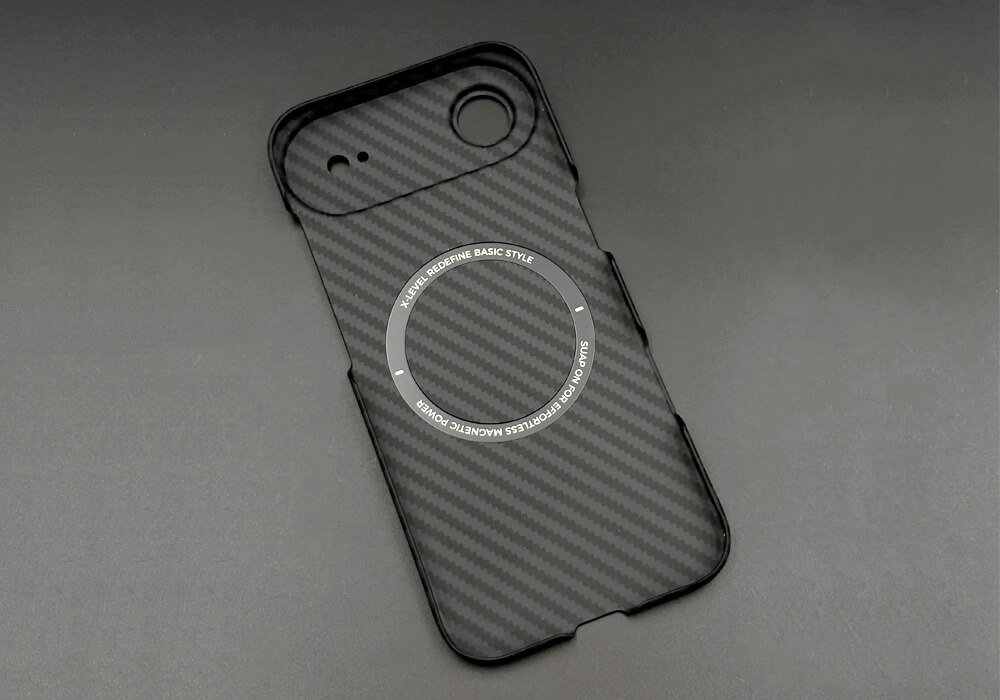
A magnetic phone case is a protective smartphone cover that contains built-in magnets or a magnetic component designed to attach compatible accessories to the back of a phone.
Unlike an ordinary phone case, which mainly protects against scratches, impacts, and everyday wear, a magnetic phone case provides an additional function: magnetic attachment.
The magnets are usually arranged in a circular or specially designed pattern inside the case. This arrangement allows compatible accessories to connect to the phone and, in some designs, helps align wireless charging coils.
For example, you can use a magnetic phone case to attach:
- Magnetic wireless chargers.
- Magnetic card holders and wallets.
- Magnetic car mounts.
- Magnetic phone stands and grips.
- Magnetic portable battery packs.
One important distinction is that a magnetic phone case does not necessarily have to support wireless charging. Some products are designed only for attaching accessories, while others combine magnetic attachment with wireless charging compatibility.
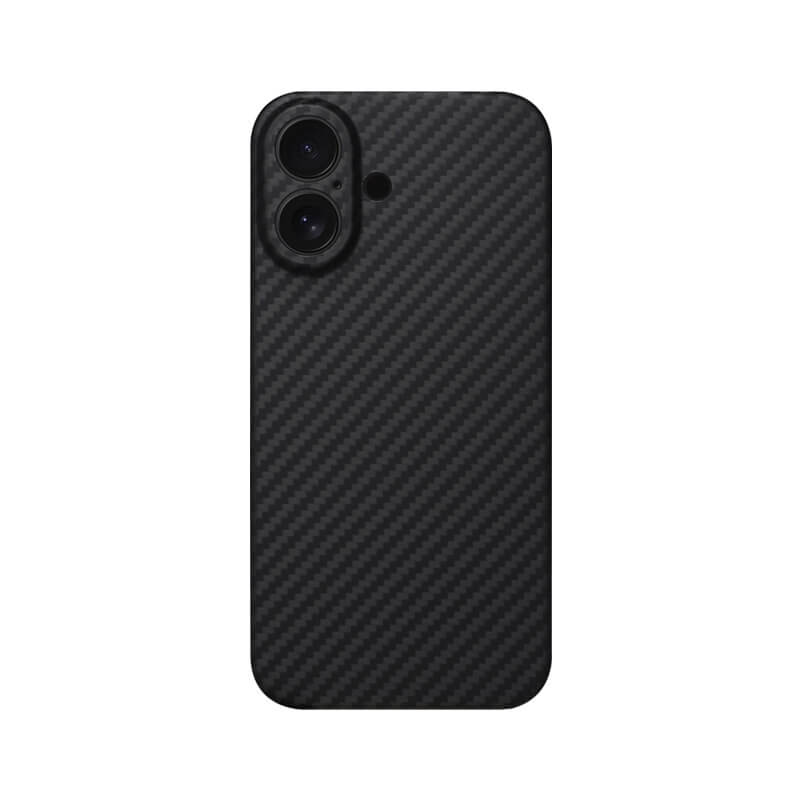
Strong MagSafe magnets ensure secure attachment.
Slim profile protects without adding unnecessary bulk.
Raised edges protect screen and camera.
Textured surface provides a secure grip.
Precise cutouts ensure easy everyday access.
Durable construction helps absorb everyday impacts.
Supports wireless charging without removing the case.

What Makes a Phone Case Magnetic?
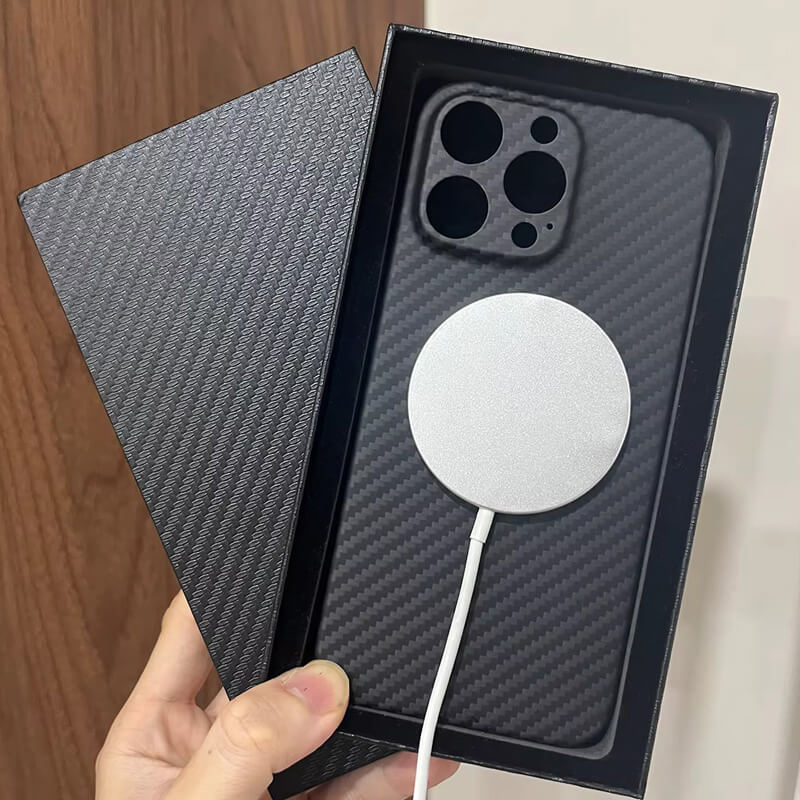
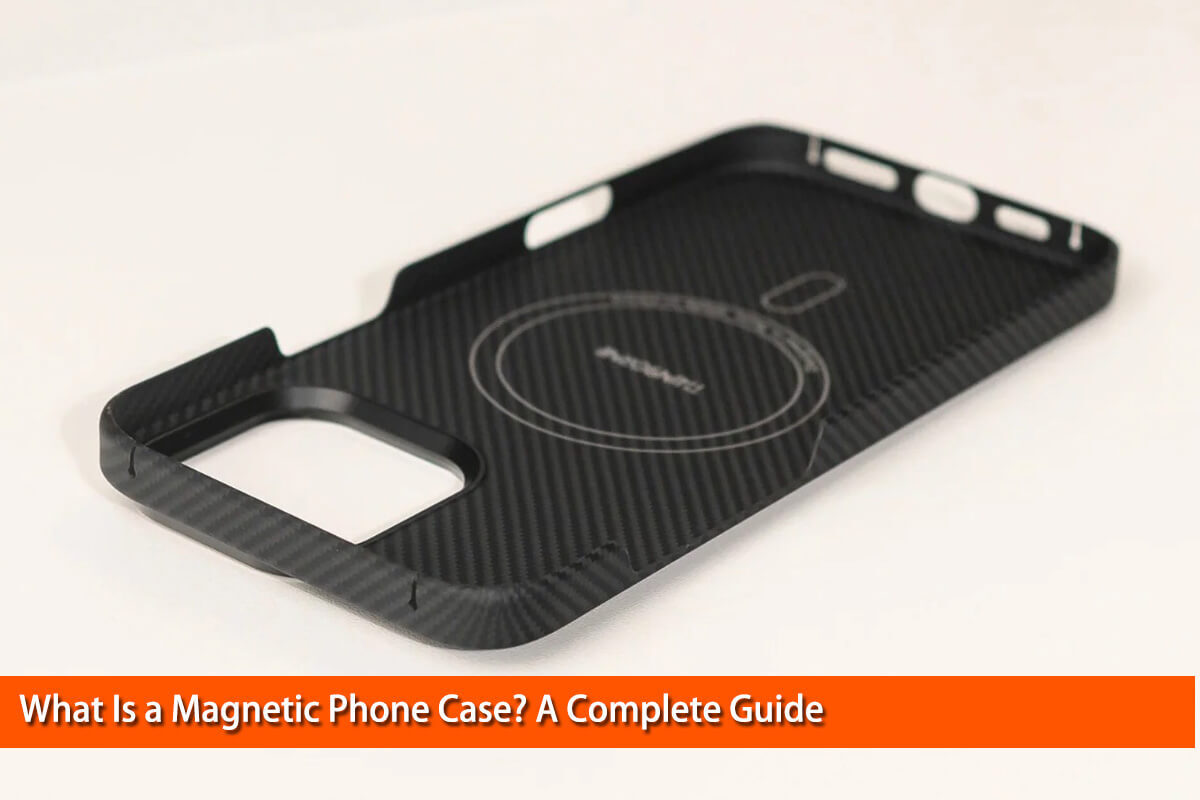
The key component is the magnet array embedded inside the case.
Most magnetic phone cases use permanent magnets, which maintain their magnetic properties without requiring electricity. These magnets create a magnetic field that attracts compatible accessories.
Some cases also contain metal components or magnetic plates. However, a metal plate and a properly designed magnetic ring are not the same thing. A metal plate may attach to a magnetic car mount, but it does not automatically provide the precise alignment needed for MagSafe accessories or magnetic wireless charging.
The quality of the magnetic system depends on several factors:
- Magnet strength and magnetic grade.
- Magnet positioning and arrangement.
- Distance between the magnets and the accessory.
- Case thickness and internal construction.
- Weight and design of the attached accessory.
These details explain why two magnetic phone cases can look almost identical but deliver very different attachment performance.
2. How Does a Magnetic Phone Case Work?
To understand how magnetic phone cases work, it is helpful to separate two functions: magnetic attachment and wireless charging.
Magnetic Attachment
Permanent magnets produce magnetic fields that attract compatible magnetic materials or oppositely oriented magnets.
When you bring a magnetic wallet or phone stand close to the back of a magnetic phone case, the magnetic components attract each other. Their arrangement helps position the accessory correctly.
The magnets do not need to be powered by the phone. They work through their permanent magnetic fields.
However, magnetic holding strength is not determined by magnet size alone. Magnet grade, geometry, spacing, orientation, and the distance between magnetic components all influence the final result.
This is particularly important for heavier accessories. A magnetic wallet may remain securely attached during ordinary use but could detach if the phone experiences sudden movement or a strong sideways force.
How Magnetic Phone Cases Work with Wireless Charging
Wireless charging uses electromagnetic induction to transfer energy between a charging pad and a smartphone.
Here is how the process works:
- A wireless charger sends alternating electrical current through its transmitter coil.
- This current produces a changing magnetic field.
- The receiver coil inside the smartphone responds to that field.
- The smartphone converts the transferred energy into electrical power to charge its battery.
Magnets help position the transmitter and receiver coils so they are properly aligned.
This alignment can improve charging consistency and reduce the inconvenience of manually positioning the phone.
It is important to understand that magnets do not generate the electricity used to charge your phone. The charging process relies on electromagnetic induction. The magnets primarily help with attachment and positioning.
For a more detailed explanation, see Apple’s official guide: How to wirelessly charge your iPhone.
What Is Inside a Magnetic Phone Case?
A typical magnetic phone case may contain several layers:
| Component | Main function |
|---|---|
| Outer protective layer | Resists scratches and everyday wear |
| Structural case body | Provides shape and protection |
| Embedded magnet array | Attaches compatible accessories |
| Inner lining | Protects the phone’s surface |
| Charging-compatible structure | Allows wireless energy transfer when properly designed |
The exact construction varies between manufacturers. Some use a separate magnetic ring, while others integrate magnets into a multilayer case structure.
The important engineering consideration is that the magnetic components must be positioned accurately without interfering with the phone’s charging system.
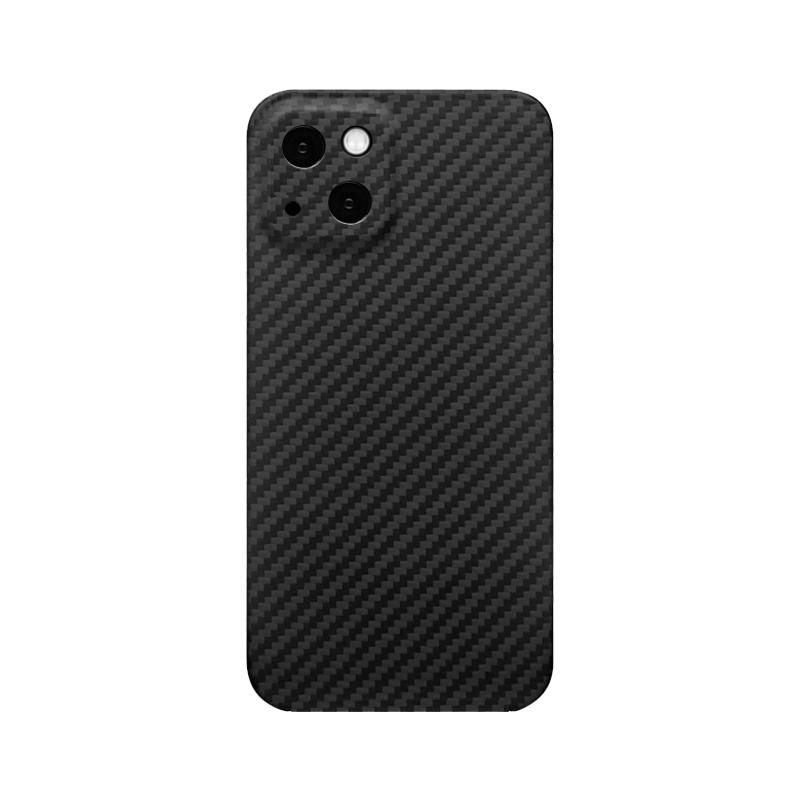
3. What Can You Do with a Magnetic Phone Case?
The biggest advantage of a magnetic phone case is its ability to work with different accessories. Instead of attaching accessories with clips, adhesives, or other mechanical fasteners, you can use magnetic connections.
Here are some of the most useful applications.
Magnetic Wireless Chargers
A magnetic wireless charger attaches to the back of a compatible phone and helps maintain the correct charging position.
This is particularly useful when charging overnight, working at a desk, or using your phone while it is connected to a charger.
However, magnetic attachment and wireless charging are separate requirements. Your phone must support wireless charging, and the case must be compatible with the charging system.
Magnetic Wallets and Card Holders
A magnetic wallet allows you to attach a small card holder directly to your phone. It can hold essential cards and reduce the need to carry a separate wallet.
Some magnetic wallets can be removed quickly when you want to use a different accessory.
For people who prefer lightweight everyday carry, this is a particularly useful feature. You can also combine a magnetic phone case with a slim carbon fiber card holder for a more minimalist setup.
Magnetic Car Mounts
Magnetic car mounts make it easier to position your phone for navigation and hands-free use.
Unlike traditional mounts that grip the phone from its sides, compatible magnetic mounts hold the phone through magnetic attraction.
Before using one, check that the magnetic connection is strong enough for your phone and case combination. Vehicle movement, road vibration, and accessory weight all affect mounting stability.
Magnetic Stands, Grips, and Battery Packs
Other useful magnetic accessories include:
- Phone stands: Support video watching, video calls, and desk work.
- Phone grips: Improve handling and provide additional support.
- Battery packs: Attach to compatible phones for convenient portable charging.
- Tripods and mounts: Help position phones for photography and video recording.
Apple’s MagSafe accessories collection provides examples of how magnetic attachment has developed into a broader smartphone accessory ecosystem.
4. Is a Magnetic Phone Case the Same as a MagSafe Case?
No. Although the terms are often used interchangeably, they do not mean exactly the same thing.
A magnetic phone case is a general category of phone case containing magnets or magnetic components. MagSafe, on the other hand, is Apple’s magnetic attachment and charging technology.
What Is MagSafe?
Apple introduced MagSafe for iPhone with the iPhone 12 generation.
It uses a magnetic arrangement around the wireless charging area to help compatible chargers and accessories attach and align correctly.
The system supports various accessories, including chargers, wallets, stands, and mounts.
You can learn more from Apple’s official MagSafe accessories guide.
Magnetic Phone Case vs. MagSafe Case
| Feature | General magnetic case | MagSafe-compatible case |
|---|---|---|
| Built-in magnets | Usually | Yes |
| Magnetic accessory attachment | Depends on design | Designed for compatible MagSafe accessories |
| MagSafe alignment | Not guaranteed | Designed for MagSafe alignment |
| Wireless charging | Depends on construction | Designed to support compatible charging |
| Apple MagSafe ecosystem | Not guaranteed | Designed for compatibility |
The most important thing to remember is that a magnetic ring does not automatically make a case MagSafe-compatible.
A case might attach to a magnetic car mount but fail to provide reliable alignment with a MagSafe charger.
What Is Qi2 and How Is It Different?
Qi2 is a wireless charging standard developed by the Wireless Power Consortium (WPC).
Its Magnetic Power Profile (MPP) incorporates magnetic alignment into compatible wireless charging systems. This helps the transmitter and receiver coils maintain the correct position during charging.
The differences are worth understanding:
| Technology | Main purpose |
|---|---|
| Qi | Standardized wireless power transfer |
| MagSafe | Apple’s magnetic attachment and charging ecosystem |
| Qi2 | Wireless charging standard incorporating magnetic alignment in MPP-compatible products |
Not every Qi charger is magnetic, and not every magnetic case supports Qi2.
For more information, visit the Wireless Power Consortium’s official website.
5. Are Magnetic Phone Cases Compatible with All Smartphones?
No. Compatibility depends on the smartphone, the case, and the accessory you intend to use.
iPhone Compatibility
Some iPhone generations have built-in magnetic alignment systems. Other models support wireless charging without offering the same magnetic attachment capabilities.
For compatible iPhones, a suitable magnetic case can provide a convenient connection with MagSafe accessories.
However, the exact model matters. A case designed for one iPhone generation may not fit another because of differences in camera dimensions, button positions, and internal component placement.
Android Compatibility
Android compatibility is more varied.
Some newer Android devices support magnetic wireless charging standards, while others rely on magnetic cases to attach accessories.
A magnetic case can add accessory attachment functionality to a phone that does not have built-in magnets. However, it cannot automatically add wireless charging to a phone that lacks the necessary charging hardware.
For example, an Android phone may attach to a magnetic car mount but still be unable to use magnetic wireless charging.
How to Check Compatibility Before Buying
Use this simple checklist:
- Confirm your exact smartphone model.
- Check whether the phone supports wireless charging.
- Determine whether it has built-in magnetic alignment.
- Verify that the case supports your intended accessories.
- Check whether the case supports MagSafe or Qi2 if required.
- Review the manufacturer’s compatibility and charging specifications.
Remember: magnetic attachment, wireless charging, and charging-standard certification are three different things.
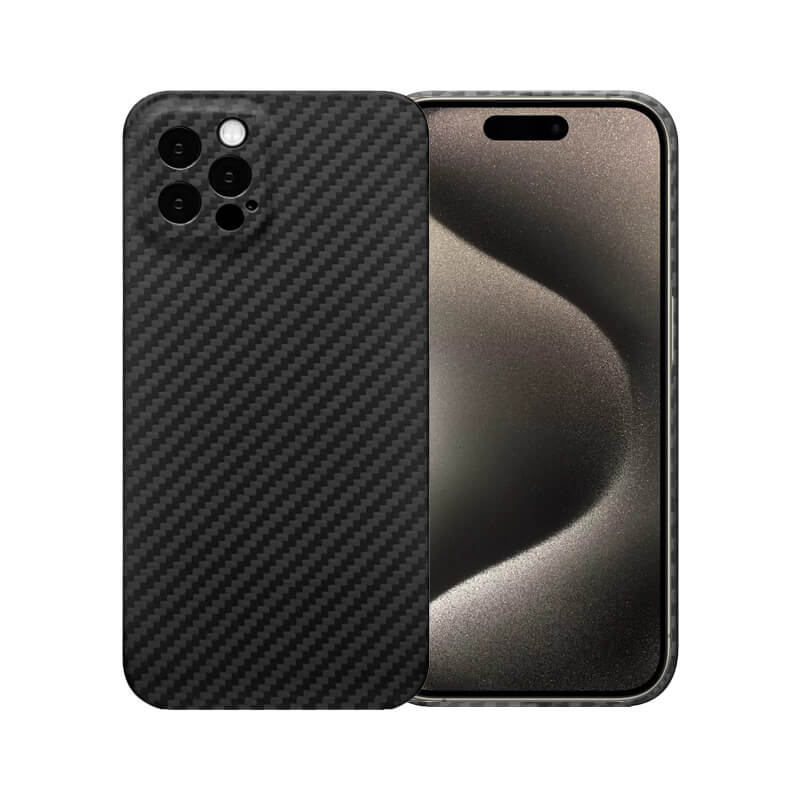
A premium, lightweight, and performance-inspired look.
Slim design, protects your iPhone without adding unnecessary bulk.
Built-in MagSafe magnets support convenient charging and accessories.
Precision fit provides easy access to buttons, ports, and cameras.
Raised edges help protect your screen and camera lenses from scratches.
Designed specifically for the iPhone 15 Pro for a precise fit.
6. Are Magnetic Phone Cases Safe?
Generally, magnetic phone cases designed for smartphones are intended for everyday use. However, there are a few precautions worth understanding.
Can Magnets Damage Your Smartphone?
Ordinary permanent magnets in properly designed phone cases are not generally expected to damage modern smartphone electronics.
However, strong magnetic fields can affect certain components, particularly magnetometers used by the phone’s compass.
You may occasionally notice inaccurate compass readings or changes in how certain magnetic accessories interact with your phone.
These effects do not necessarily indicate permanent damage.
Can Magnetic Phone Cases Damage Credit Cards?
It is important to distinguish between different types of payment cards.
Traditional magnetic-stripe cards store information using magnetized material. Strong magnetic fields can potentially affect the information stored on these stripes.
Contactless payment cards, however, use a different technology: near-field communication (NFC).
For this reason, it is sensible to avoid placing traditional magnetic-stripe cards directly against strong magnetic components. Follow the card issuer’s recommendations, particularly when carrying older cards.
Are Magnetic Phone Cases Safe for People with Pacemakers?
Important safety consideration
People with pacemakers and other implanted medical devices should pay particular attention to magnetic accessories.
The US Food and Drug Administration (FDA) warns that certain consumer electronics containing strong magnets can activate the magnet mode in implanted medical devices, potentially interfering with their normal operation.
The FDA recommends keeping potentially interfering consumer electronics, including certain cell phones and smartwatches, at least 6 inches (15 cm) away from implanted medical devices.
You can read the official guidance here:
People with implanted devices should follow their device manufacturer’s instructions and consult their healthcare provider about using magnetic accessories.
7. Advantages and Disadvantages of Magnetic Phone Cases
Magnetic phone cases offer several practical benefits, but they are not necessarily the best choice for every smartphone user.
Advantages
1. Convenient accessory attachment
You can quickly attach and remove compatible chargers, wallets, stands, and mounts without adhesives or clips.
2. Better wireless charging alignment
Magnetic alignment helps position compatible charging coils correctly, reducing the need to adjust your phone manually.
3. More flexible everyday use
You can switch between a wallet, car mount, desk stand, or battery pack depending on what you need.
4. A cleaner phone setup
Magnetic accessories can reduce the need for bulky mechanical attachments and permanent adhesive fixtures.
5. A wider accessory ecosystem
Magnetic phone cases give users access to a growing selection of compatible smartphone accessories.
Disadvantages
1. Compatibility limitations
Not every magnetic case works with every magnetic accessory. Different products may use different magnet arrangements and charging standards.
2. Magnetic strength varies
A weak magnetic connection may not securely support heavier accessories or withstand vehicle vibration.
3. Additional thickness and weight
Some magnetic cases need extra layers and components, making them heavier than conventional slim cases.
4. Higher overall cost
You may need to purchase compatible accessories separately, increasing the total cost.
5. Not necessarily better protection
Magnetic functionality does not automatically improve drop resistance. A well-designed regular case may offer better impact protection than a poorly constructed magnetic case.
8. How to Choose the Best Magnetic Phone Case
Choosing a good magnetic phone case requires looking beyond its appearance. From a materials-engineering perspective, the best case should combine reliable magnetic performance, appropriate mechanical protection, and compatibility with the accessories you actually use.
Here are the most important factors.
1. Check Magnetic Strength and Stability
Magnetic strength determines how securely accessories remain attached.
However, stronger magnets are not always better. The magnet arrangement must be designed for the intended accessory and phone model.
Look for products that provide clear compatibility information and, ideally, real-world attachment testing.
2. Check MagSafe and Qi2 Compatibility
If you regularly use magnetic chargers, wallets, or battery packs, check whether the manufacturer explicitly supports MagSafe or Qi2.
Do not assume that every case with a circular magnetic ring supports both standards.
3. Consider Phone Protection
A magnetic phone case should still perform its basic protective function.
Pay attention to:
- Raised edges around the screen and camera.
- Reinforced corners.
- Scratch-resistant surfaces.
- Secure button and port openings.
- Suitable impact-absorbing structures.
Magnetic functionality should complement protection, not replace it.
4. Choose the Right Case Material
The material determines much of a phone case’s weight, stiffness, flexibility, surface feel, and durability.
Different materials offer different advantages.
| Material | Main characteristics | Considerations |
|---|---|---|
| TPU | Flexible and shock-absorbing | Can stretch or discolor over time |
| Polycarbonate | Rigid and lightweight | Can crack under certain impacts |
| Silicone | Soft and comfortable | Attracts dust and lint |
| Leather | Premium appearance | Requires maintenance |
| Aramid fiber | Lightweight and thin | Often more expensive |
| Carbon fiber | Lightweight, rigid, and distinctive | Conductive properties require consideration |
Why Consider a Carbon Fiber Magnetic Phone Case?
Carbon fiber is widely used in automotive, aerospace, and sporting applications because of its excellent strength-to-weight characteristics.
A carbon fiber composite consists of carbon fibers embedded in a resin matrix. The fibers provide much of the material’s stiffness and tensile strength, while the resin binds the structure together and helps transfer loads between fibers.
For smartphone cases, genuine carbon fiber offers several attractive characteristics:
- Lightweight construction: Helps create a slim case without unnecessary bulk.
- High stiffness: Provides structural rigidity.
- Distinctive appearance: The woven pattern creates a recognizable premium finish.
- Wear resistance: A properly finished surface can resist everyday scratches and abrasion.
However, there is an important technical consideration: carbon fiber is electrically conductive. Its electrical and electromagnetic properties mean that the complete case design must be considered when integrating wireless charging and magnetic components.
This is why a carbon fiber case should be evaluated as a complete engineered product rather than judged by its surface material alone.
For readers interested in the material itself, Oneou has a related guide: Benefits of Carbon Fiber Phone Cases: Strength, Weight & Protection.
If you prefer a lightweight design with a distinctive woven finish, you can also explore Oneou carbon fiber phone cases. Select a model that explicitly lists compatibility with your phone and intended magnetic accessories.
9. Magnetic Phone Case vs. Regular Phone Case: Which Should You Choose?
The right choice depends on your daily habits and accessory requirements.
| User needs | Recommended choice |
|---|---|
| Frequently use magnetic chargers | Compatible magnetic case |
| Carry a magnetic wallet | Magnetic case |
| Use a magnetic car mount | Compatible magnetic case |
| Rarely use wireless charging | Either type |
| Prefer a simple, inexpensive cover | Regular case |
| Want a premium, lightweight design | Choose based on material and construction |
| Use multiple MagSafe accessories | MagSafe-compatible case |
A magnetic phone case is particularly useful if you already own several magnetic accessories or plan to build a magnetic charging setup.
However, if you only need basic scratch and impact protection, a regular phone case may be perfectly sufficient.
The best phone case is not necessarily the one with the most features. It is the one that meets your actual requirements without adding unnecessary weight, cost, or complexity.
10. Frequently Asked Questions About Magnetic Phone Cases
Are magnetic phone cases worth buying?
Yes, particularly if you regularly use magnetic chargers, wallets, car mounts, or stands. They offer convenience and flexibility. If you rarely use these accessories, a regular phone case may be sufficient.
Do magnetic phone cases work with wireless chargers?
Many do, but not all. Compatibility depends on the case construction, phone charging capabilities, and charger specifications. Check the manufacturer’s wireless charging information before purchasing.
Can I use a magnetic phone case without MagSafe?
Yes. Magnetic phone cases are not limited to Apple’s MagSafe ecosystem. Some work with third-party magnetic mounts, wallets, and other accessories.
Do magnetic phone cases work with Android phones?
Yes. Many Android phones can use magnetic cases for attaching compatible accessories. However, adding magnets does not automatically provide wireless charging or Qi2 functionality.
Can magnets damage my phone battery?
Ordinary permanent magnets in properly designed phone cases are not generally expected to damage modern smartphone batteries. However, strong magnetic fields may interfere with certain sensors or implanted medical devices.
Does a magnetic phone case affect phone signal?
A magnetic field does not automatically block cellular, Wi-Fi, or Bluetooth signals. However, the materials used in a case, particularly conductive materials and metal components, can affect electromagnetic performance depending on their position and construction.
How do I know whether a magnetic phone case is MagSafe compatible?
Look for an explicit MagSafe compatibility statement from the manufacturer. Also check whether the case supports the specific accessories and charging functions you intend to use.
Conclusion
A magnetic phone case offers more than basic smartphone protection. It provides a convenient way to connect compatible chargers, wallets, car mounts, stands, and other accessories.
However, not all magnetic phone cases are created equally. Magnet strength, positioning, phone compatibility, case construction, and material selection all influence performance.
From a materials-engineering perspective, choosing a good magnetic phone case means evaluating the entire product rather than focusing on one feature. Whether you choose TPU, polycarbonate, aramid fiber, or carbon fiber, the case should provide appropriate protection while supporting the accessories you use every day.
If you appreciate lightweight construction, a slim profile, and a premium appearance, a well-designed carbon fiber phone case is another option worth considering.
Ultimately, the best magnetic phone case is one that combines reliable magnetic attachment, suitable protection, and compatibility with your smartphone and accessories.