Wireless charging has become a normal part of using a modern smartphone. Instead of plugging a cable into your phone, you simply place it on a charging surface and let electromagnetic energy transfer power to the battery.
But as magnetic charging becomes more popular, many people ask: What is the difference between MagSafe and wireless charging? Is MagSafe faster than regular wireless charging? Is Qi2 better than MagSafe? And can a carbon fiber phone case work with magnetic charging?
The short answer is that MagSafe is actually a form of wireless charging. The important difference is the use of magnetic alignment, which helps position the charging coils more precisely and also enables accessories such as magnetic stands, wallets, and car mounts.
As a materials engineer, I would look beyond the wattage printed on a charger. Real-world charging performance depends on coil alignment, temperature, case construction, charging standards, the phone itself, and the power adapter.
This guide explains the technical differences between MagSafe, traditional Qi wireless charging, and Qi2 so you can choose the right system for your phone.
What Is Wireless Charging?
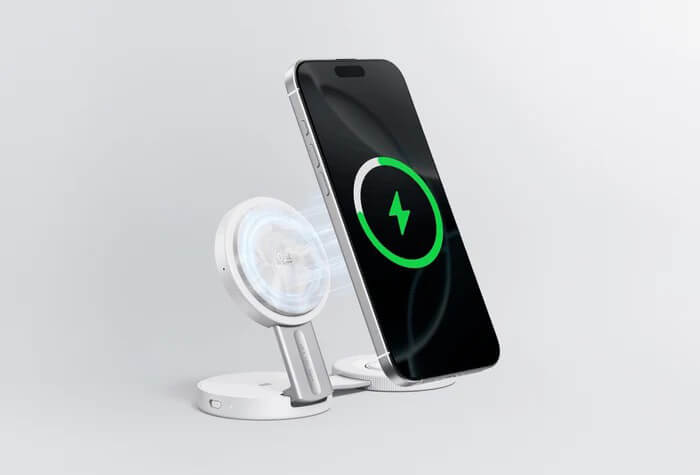
Wireless charging transfers electrical energy between two coils without a physical electrical connection.
The basic process is relatively simple. A transmitter coil inside the charging pad creates a changing electromagnetic field. A receiver coil inside the smartphone responds to that field and converts the transferred energy into electrical power for the battery.
The U.S. Department of Energy’s technical material on wireless power transfer describes this relationship between the primary and secondary coils and explains how the distance and coupling between them affect power transfer.
For iPhones, one of the most important wireless charging standards is Qi, developed by the Wireless Power Consortium (WPC). Apple states that iPhone 8 and later can use Qi-certified wireless chargers.
Traditional Qi charging is therefore not a different physical concept from MagSafe. Both use wireless power transfer. The major difference is how the phone and charger are positioned and how the charging ecosystem is designed.
What Is MagSafe?
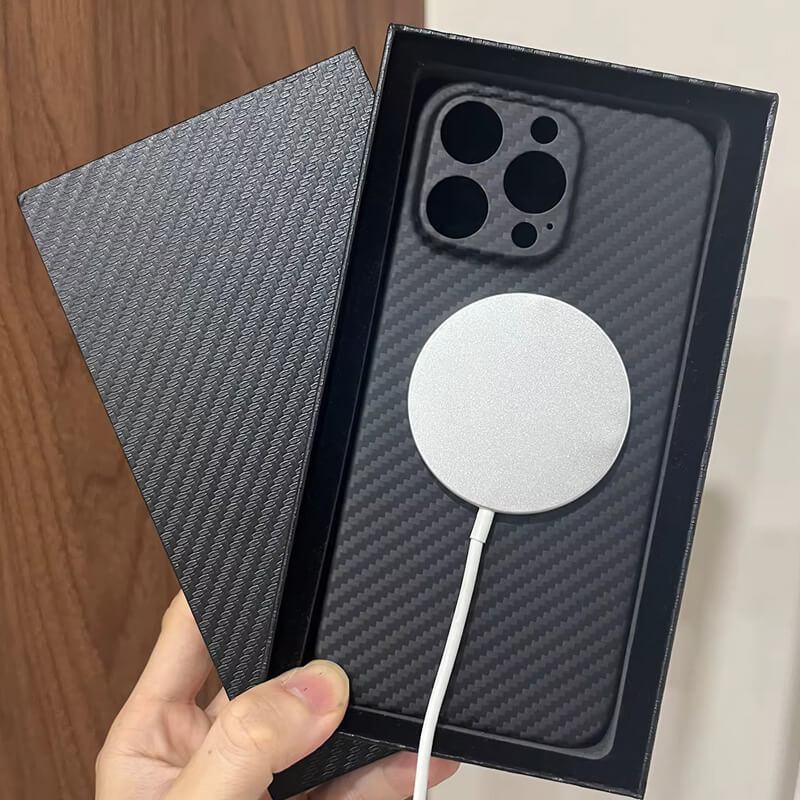
MagSafe is Apple’s magnetic charging and accessory system.
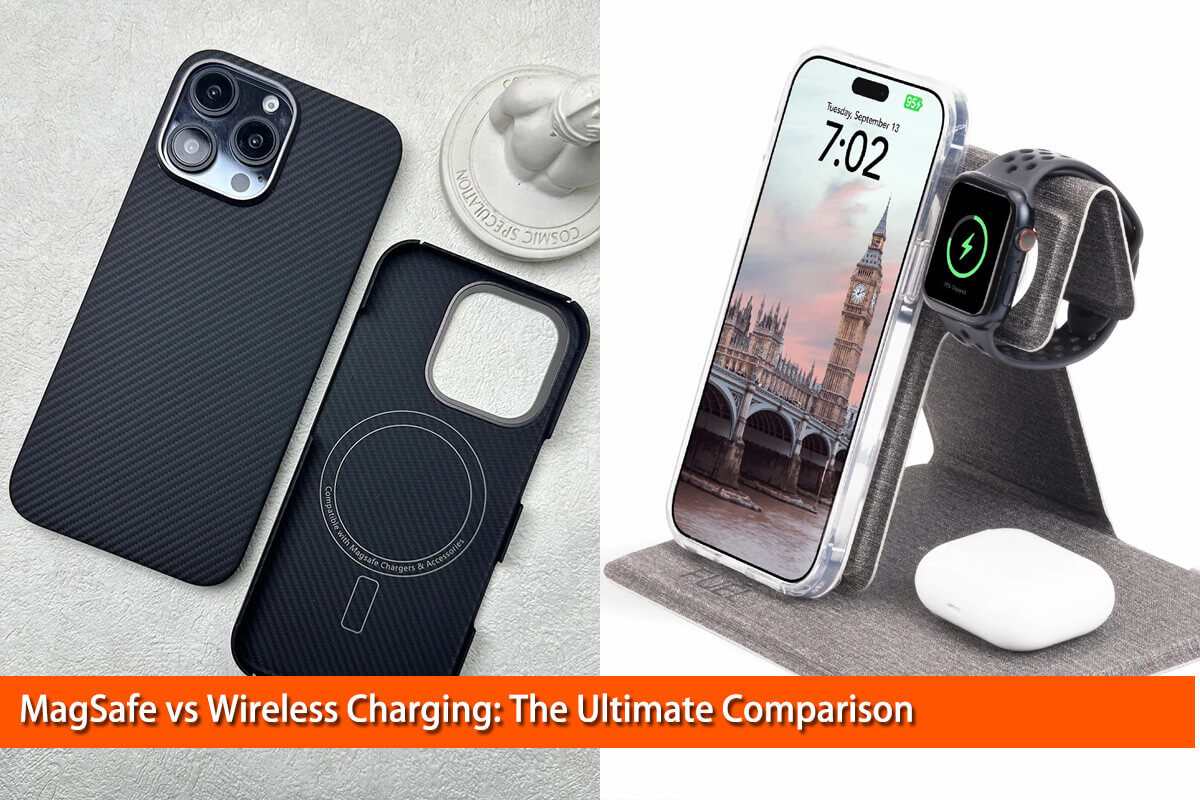
A MagSafe charger contains a charging coil surrounded by a magnetic arrangement. Compatible iPhones and cases contain corresponding magnets, allowing the charger to snap into the intended position.
This solves one of the biggest practical limitations of traditional wireless charging: alignment.
With a conventional charging pad, you need to place the phone approximately over the correct area. If the phone moves, the coils may become less effectively aligned. Apple notes that movement caused by vibration or notifications can sometimes cause a wireless charging mat to stop providing power.
With MagSafe, the magnets automatically help center the charger.
Apple describes MagSafe as providing optimal magnetic alignment for faster and more efficient wireless charging.
So, technically speaking:
Wireless charging is the broader technology, while MagSafe is a magnetic wireless-charging ecosystem.
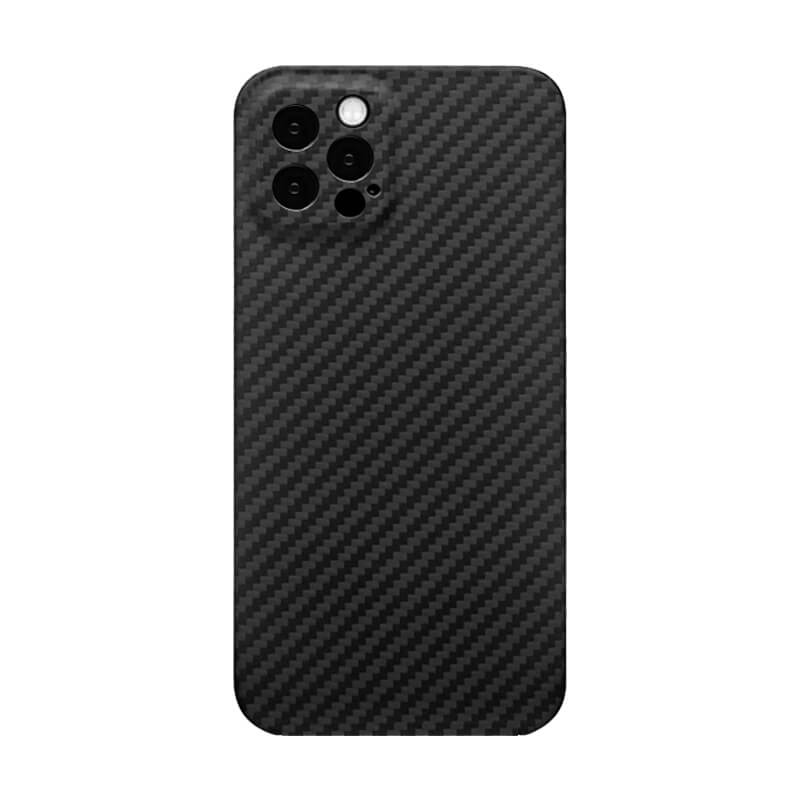
MagSafe Compatible;
Slim & Lightweight;
Precise Fit;
Premium Look;
Camera Protection;
Durable Design;
Easy Access.

Related reading: Is a MagSafe Phone Case Worth It? Pros, Cons & a Practical Buying Guide
MagSafe vs Wireless Charging: What Is the Difference?
The easiest way to understand the difference is to compare traditional Qi wireless charging with magnetic charging.
1. Alignment
Traditional Qi chargers generally require you to position the phone manually.
MagSafe uses magnets to hold the charger in the intended position. This can make everyday charging more convenient and can help maintain coil alignment.
This is more important than it might initially sound. Wireless power transfer depends partly on the relationship between the transmitter and receiver coils. Increasing the gap or moving the coils away from their intended position can reduce coupling and affect charging performance.
That is why MagSafe charging vs wireless charging should not be viewed simply as a comparison of charger wattage.
2. Charging Speed
Charging speed is another major difference, but it needs some explanation.
Apple’s current MagSafe Charger supports wireless charging up to 25W on compatible newer iPhone models when used with the appropriate power adapter. Apple also states that the same charger supports Qi2 25W and Qi charging.
The WPC’s certification database lists Apple’s current MagSafe Charger as a Qi 2.2.1 Magnetic Power Profile (MPP25) product with a potential load power of 25W.
This is an important 2026 update because older articles often describe MagSafe simply as a 15W technology.
However, you should never assume that a “25W charger” means your phone will continuously receive 25W.
Actual charging speed depends on:
- Phone model
- Battery percentage
- Charger
- Power adapter
- Temperature
- Charging protocol
- Case and accessory design
- Software and battery-management limits
Apple itself notes that actual charging performance varies with conditions.
3. Convenience
This is where MagSafe has a very practical advantage.
A traditional charging pad normally stays on a desk, nightstand, or table. You put your phone on top of it.
A MagSafe charger can attach magnetically to the back of the phone. You can therefore use the phone while it remains attached to the charger.
The magnetic system also enables a larger accessory ecosystem, including stands, car mounts, wallets, battery packs, and charging stations.
Apple describes MagSafe chargers and battery packs as attaching to compatible iPhones or MagSafe cases while maintaining alignment for wireless charging.
MagSafe vs Qi vs Qi2
| Technology | Magnetic alignment | Typical positioning | Ecosystem |
|---|---|---|---|
| Qi | No | User-positioned | Broad |
| Qi2 | Yes | Magnetic | Multi-brand |
| MagSafe | Yes | Magnetic | Apple-focused |
The charging landscape becomes more interesting when Qi2 is included.
Qi is the traditional wireless charging standard. Qi2 introduced a magnetic charging approach based on the Wireless Power Consortium’s Magnetic Power Profile.
The WPC has explained that the Magnetic Power Profile is based on technology contributed by Apple. In other words, Qi2 brings magnetic alignment into a broader industry standard rather than keeping the concept exclusively within Apple’s ecosystem.
This gives consumers three useful categories:
Traditional Qi: wireless charging without the same magnetic alignment experience.
MagSafe: Apple’s magnetic wireless charging and accessory ecosystem.
Qi2: an industry-standard magnetic wireless charging system designed to work across a wider ecosystem.
Qi2 is therefore not simply another name for MagSafe.
The distinction is important when researching Qi2 vs MagSafe because compatibility, certification, maximum power, and accessory support can vary.
The current WPC certification database also shows that Apple’s newer iPhone models and MagSafe Charger products have entered the Qi 2.2.1/MPP25 certification environment, with 25W potential load power.
Is MagSafe Faster Than Regular Wireless Charging?
For many compatible iPhones, MagSafe can be faster than basic Qi wireless charging.
Apple’s documentation states that many Qi-certified chargers charge iPhones at rates up to 7.5W, while its current MagSafe system can provide substantially higher wireless charging power on compatible models.
But there is an important engineering point:
Higher advertised wattage does not automatically mean proportionally faster charging.
A phone does not behave like a simple resistor that accepts unlimited power. Charging power changes during the charging cycle, and the phone manages temperature, battery state, and other conditions.
For example, charging near a high battery percentage generally does not behave like charging from a low battery level.
This is why comparisons based only on “7.5W vs 15W vs 25W” can be misleading.
For users who want the fastest possible charging, wired USB-C charging can still be preferable in many situations. Apple currently recommends MagSafe or Qi2 for faster wireless charging while separately recommending USB-C Power Delivery for faster wired charging.
Does MagSafe Generate More Heat?
No wireless charging system is completely free from heat.
Energy conversion and electrical resistance inevitably produce some heat, and wireless power transfer can involve additional losses compared with a direct wired connection.
Apple explains that an iPhone may become slightly warmer during wireless charging. If the battery becomes too warm, the software can limit charging above 80% until the temperature falls.
This temperature management is important because lithium-ion battery aging is strongly affected by temperature.
A study published in Scientific Reports examined lithium-ion battery aging over a temperature range from 25°C to 55°C and confirmed that temperature has a significant effect on battery performance and cycle life.
That does not mean MagSafe is inherently harmful to your battery. It means thermal management matters for any charging method, particularly when charging power increases.
For better results, avoid charging your phone in direct sunlight, under heavy bedding, or in a very hot environment.
Do Phone Cases Affect MagSafe and Wireless Charging?
Yes. The case is an important part of the wireless charging system.
Apple specifically recommends removing a thick, metal, or battery case if an iPhone is charging slowly or not charging properly.
The reason is straightforward: wireless power transfer depends on the distance and materials between the transmitter and receiver coils.
A case can therefore influence:
- Coil spacing
- Magnetic attachment
- Charging efficiency
- Heat dissipation
- Charging stability
This is especially relevant when choosing a carbon fiber phone case.
Carbon fiber is electrically conductive, and scientific research has extensively investigated carbon-fiber composites for electromagnetic interference shielding. For example, a 2024 review in Carbon discusses the electrical and electromagnetic behavior of carbon-fiber-based composites.
That does not mean every carbon fiber phone case will block wireless charging.
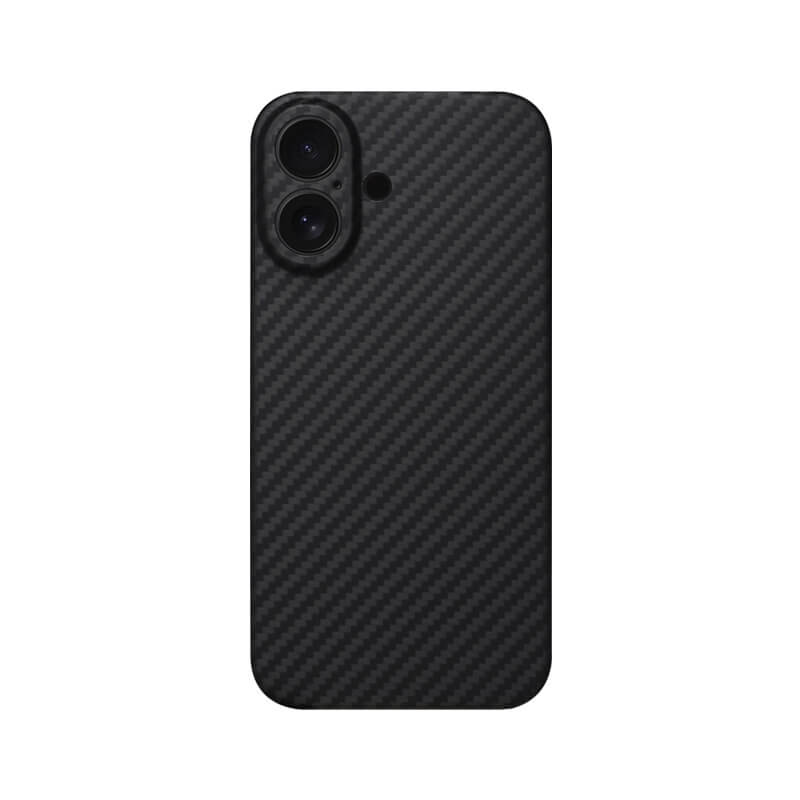
Strong MagSafe magnets ensure secure attachment.
Slim profile protects without adding unnecessary bulk.
Raised edges protect screen and camera.
Textured surface provides a secure grip.
Precise cutouts ensure easy everyday access.
Durable construction helps absorb everyday impacts.
Supports wireless charging without removing the case.
A real carbon fiber case is a composite structure. Its behavior depends on factors such as fiber orientation, fiber content, thickness, resin system, internal construction, and whether other conductive materials are incorporated.
Research has shown that carbon-fiber composites can have strongly direction-dependent electrical and electromagnetic properties.
Therefore, the correct question is not:
“Is carbon fiber compatible with wireless charging?”
A better question is:
“How is the particular carbon fiber phone case engineered around the wireless charging system?”
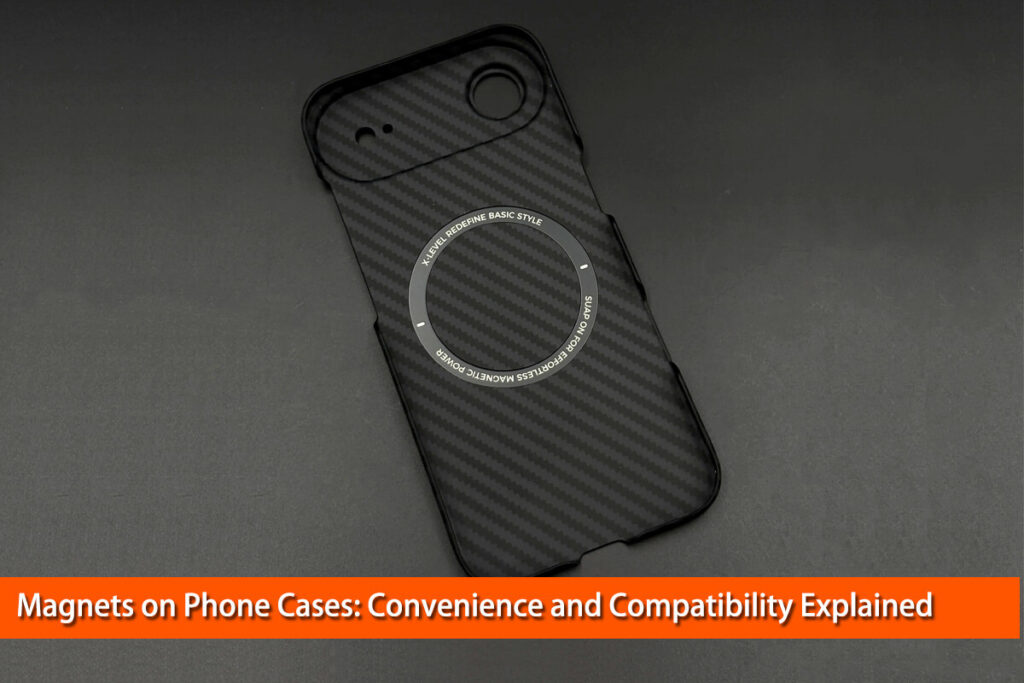
For a MagSafe-compatible carbon fiber phone case, the case should be designed with the appropriate magnetic ring and sufficient clearance around the charging area. A thin, carefully engineered composite case can provide the lightweight and rigid characteristics of carbon fiber while maintaining compatibility with magnetic charging.
Related Reading: Do Carbon Fiber MagSafe Phone Cases Work with Wireless Charging?
Can You Use MagSafe With a Carbon Fiber Case?
Yes, but the specific case design matters.
A MagSafe-compatible carbon fiber phone case should maintain the correct magnetic position between the charger and the phone.
The most important factors are:
- Case thickness — excessive thickness increases the distance between the charging components.
- Magnetic ring design — a properly positioned magnetic ring helps the charger attach and align correctly.
- Material construction — carbon fiber, resin, polymers, magnets, and any reinforcement layers can interact differently with electromagnetic fields.
- Heat management — the case should not unnecessarily trap heat during charging.
- Phone-specific geometry — the charging coil and magnetic arrangement differ between device generations.
This is one reason consumers should not assume that every carbon fiber case advertised as “wireless charging compatible” provides the same experience.
How to Choose Between MagSafe, Qi and Qi2
There is no single charging method that is ideal for every user.
Choose traditional Qi if you want:
- Broad compatibility
- A simple charging pad
- Lower-cost options
- Basic overnight charging
Traditional Qi remains useful because of its broad device compatibility.
Choose MagSafe if you want:
- Magnetic alignment
- Convenient attachment
- A strong Apple accessory ecosystem
- Magnetic stands and car mounts
- Easy one-handed positioning
- Fast wireless charging on compatible iPhones
Choose Qi2 if you want:
- Magnetic wireless charging
- A broader industry ecosystem
- Better alignment than conventional Qi
- Compatibility with Qi2-certified products
Choose wired charging if you need:
- Very fast charging
- Maximum charging efficiency
- Reliable charging while using demanding applications
How to Get Better Wireless Charging Performance
Regardless of which standard you use, several simple practices can improve your experience.
Use certified charging products. Certification gives you more confidence that the product meets the relevant standard.
Use the correct power adapter. A high-power charger cannot deliver its advertised performance if the adapter or charging setup limits available power.
Keep the phone cool. Temperature affects charging behavior and long-term battery aging.
Use a properly designed case. Thick or conductive construction can affect wireless charging.
Keep the charging area clear. Do not place cards, metal objects, or other sensitive items between the phone and charger. Apple specifically warns that certain cards, badges, passports, and key fobs can be affected by magnetic or wireless charging systems.
Do not judge performance from peak wattage alone. Look at real-world charging time, thermal behavior, compatibility, and convenience.
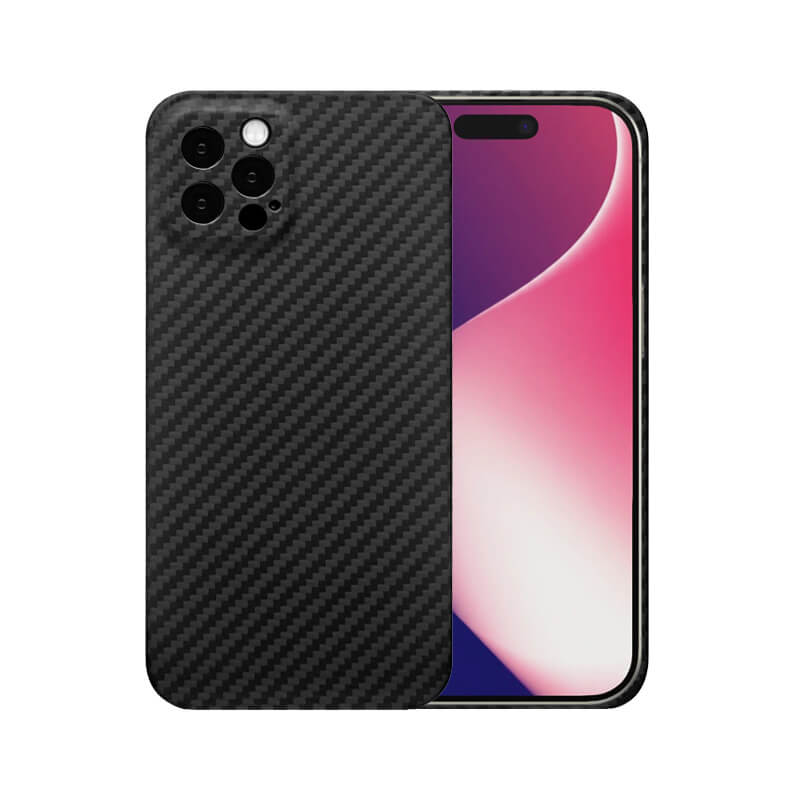
Built-in magnets ensure seamless MagSafe compatibility.
Slim design keeps your iPhone comfortable to hold.
Premium carbon fiber delivers a high-end look.
Raised edges help protect the screen and cameras.
Precise fit provides easy access to all controls.
Scratch-resistant surface maintains its premium appearance.
Supports MagSafe charging and compatible accessories.
Frequently Asked Questions
Is MagSafe the same as wireless charging?
No. MagSafe is a form of wireless charging that adds magnetic alignment and a broader magnetic accessory ecosystem.
Is MagSafe faster than regular wireless charging?
It can be. Compatible MagSafe systems can provide substantially more power than basic Qi charging, although actual charging speed depends on the phone, charger, temperature, and other conditions.
Does MagSafe work with Qi wireless chargers?
Compatible iPhones can use Qi-certified wireless chargers. However, a conventional Qi charger does not necessarily provide the magnetic attachment or full MagSafe experience.
Is Qi2 better than MagSafe?
They should not be treated as identical technologies. Qi2 brings magnetic alignment into an industry standard, while MagSafe remains Apple’s magnetic charging and accessory ecosystem.
Can a carbon fiber case work with MagSafe?
Yes, a properly engineered carbon fiber phone case can be designed for MagSafe compatibility. Case thickness, construction, magnetic alignment, and the materials around the charging area all matter.
Does wireless charging damage the battery?
Wireless charging itself should not be described as automatically damaging a battery. However, heat is an important factor in lithium-ion battery aging, which is why modern phones actively manage charging temperature.
Further research: Do Carbon Fiber MagSafe Phone Cases Work with Wireless Charging?
Final Thoughts
The real MagSafe vs wireless charging debate is not simply about which technology is “better.”
Traditional Qi provides simple and widely compatible wireless charging. MagSafe adds magnetic alignment and a powerful accessory ecosystem. Qi2 extends magnetic wireless charging into a broader industry standard, while newer Qi2 25W products are making the performance gap less straightforward than it once was.
From an engineering perspective, the most important factors are alignment, power, temperature, materials, and system compatibility.
For iPhone users who want convenient magnetic charging and accessories, MagSafe is a compelling option. For users who want broad compatibility, traditional Qi remains practical. And for people looking for magnetic charging beyond Apple’s own ecosystem, Qi2 is increasingly important.
Finally, don’t overlook the phone case. A well-designed carbon fiber phone case can combine low weight, high stiffness, premium appearance, and MagSafe compatibility—but the composite construction and magnetic design matter just as much as the carbon fiber itself.
In other words, when choosing a wireless charging setup, don’t ask only “How many watts does it support?”
Ask the more useful engineering questions:
How well does it align? How much heat does it generate? How does the case interact with it? And how well does the entire charging system work together?
References for the published article:
- Apple — How to wirelessly charge your iPhone — Qi charging, alignment, cases, heat and charging behavior.
- Apple — MagSafe Charger — current MagSafe charging specifications.
- Wireless Power Consortium — Apple MagSafe Charger certification — Qi 2.2.1 / MPP25 certification data.
- Scientific Reports — Effect of Temperature on the Aging Rate of Li-Ion Battery — peer-reviewed research on temperature and battery aging.
- Carbon — Advances in carbon fiber-based electromagnetic shielding materials — research review on electrical and electromagnetic behavior of carbon-fiber composites.